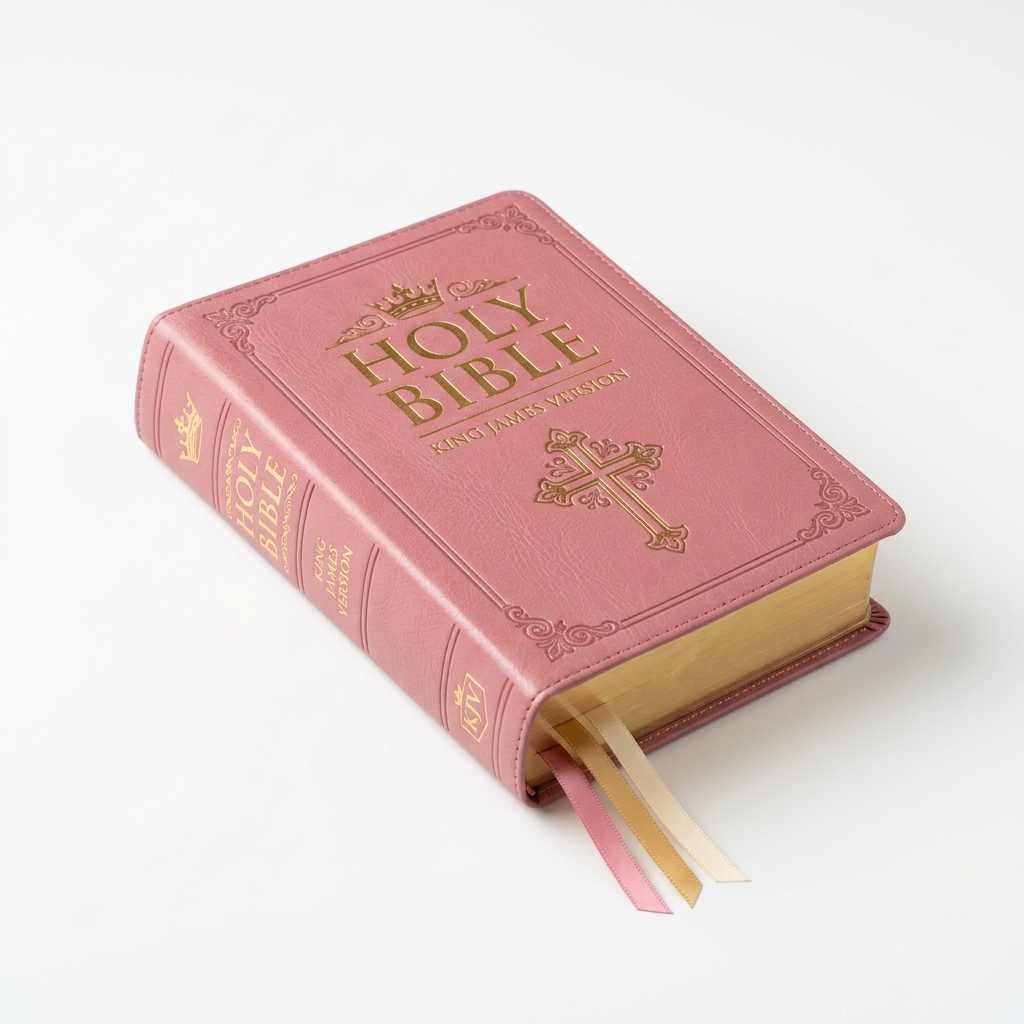
I made it to church today.
When I tell you I am proud of myself, I mean genuinely proud. Waking up early on a weekend, getting myself dressed, convincing two children that yes, we are in fact going to church, feeding everyone, finding shoes that mysteriously disappear, and arriving just in time for the sermon felt like a minor miracle. It was an accomplishment worthy of celebration.
But this isn’t a blog about my parenting logistics.
This was a new church we were visiting after a friend had been telling me for months that I needed to come. As soon as I spotted her across the sanctuary, I practically sprinted down the aisle so I could sit beside her.
The minister was a guest and he was ready with a message.
Within minutes of reading the opening passage, the congregation was already responding with enthusiastic amens, raised hands, clapping, and the kind of joyful participation that makes you feel like everyone else received a script except you.
Now let me clarify something.
I did not grow up in what I would consider an evangelical church. I grew up in a church that was… how should I put this… deeply committed to Scripture. We took the Bible very literally. There was an underlying assumption that at any moment you might be quizzed on obscure passages before the Second Coming of Christ, so you had better know your prophets from your patriarchs.
Looking back, I affectionately describe it as a very conservative, Bible-saturated, soft cult. I say that with kindness because, like most traditions, I believe there were truths worth carrying with me and other things that deserved a second look.
So while everyone around me instinctively knew when to shout “Amen,” I realized I was missing every cue.
My friend has often told me she wishes she could spend a day inside my mind because she’s always curious what I’m thinking.
Well…
Today I remembered to write it down.
The minister was preaching from Isaiah 40, ending with one of the most recognizable passages in Scripture:
“Even the youths shall faint and be weary, and the young men shall utterly fall, but those who wait upon the Lord shall renew their strength; they shall mount up with wings like eagles; they shall run and not be weary; they shall walk and not faint.”
Everyone around me was receiving encouragement.
Meanwhile, my brain immediately wandered somewhere entirely different.
Wait…
What’s the context?
Who is Isaiah talking to?
What was happening politically?
Which kingdom are we in?
So naturally, instead of simply reflecting on the sermon, I opened my Bible and started reading Isaiah 40 in its entirety.
That wasn’t enough.
I started reading about Isaiah itself.
The first thirty-nine chapters are traditionally attributed to the prophet Isaiah, who lived during the eighth century BCE while the Kingdom of Judah faced mounting threats from powerful neighboring empires. The people had drifted from God. They tolerated injustice. They neglected the poor. Their worship had become performative while their society quietly unraveled.
Then I discovered that many modern biblical scholars believe Isaiah was likely composed over several generations. They often describe First Isaiah (chapters 1–39), Second Isaiah (40–55), written during the Babylonian exile, and Third Isaiah (56–66), written after the exile. Other theologians, particularly within conservative and evangelical traditions, continue to argue that the entire book was written by Isaiah himself.
Now I was fully invested.
What do theologians believe today?
Why has this book remained so significant for nearly three thousand years?
The more I read, the more fascinating Isaiah became.
It is a book about judgment and restoration.
About the holiness of God.
About justice.
About hope.
Christians point to Isaiah’s remarkable descriptions of the coming Messiah, from Immanuel to the suffering servant of chapters 52 and 53 to the breathtaking vision of a new heaven and a new earth. Few books have shaped Christian theology more profoundly.
Meanwhile…
The minister had already moved on.
People were still saying “Amen.”
And I was somewhere around ancient Judah with fourteen browser tabs open.
Then my curiosity took another turn.
Whatever happened to the people of Judah?
That question eventually led me to something I somehow knew but had never really stopped to consider.
The Jewish people today are the direct descendants and cultural inheritors of the ancient Kingdom of Judah. Even the words Jew and Judaism originate from Judah.
I sat there thinking…
Wait a minute.
The people Isaiah was writing to were living under the constant threat of rival empires.
Thousands of years later, the descendants of those same people continue to live amid geopolitical conflict.
History doesn’t simply repeat itself.
But sometimes it rhymes.
Theologians have a framework for thinking about this. They study what is called biblical typology, the idea that throughout Scripture God often works through recurring patterns. Real people, real events, and real institutions become echoes that point both backward and forward, revealing deeper themes unfolding across history.
Whether one agrees with every theological conclusion or not, I find the pattern itself endlessly fascinating.
This is usually the point where people assume I’m no longer listening.
They’re right.
But not because I’m distracted.
I’m trying to zoom out.
I’m somewhere between eighth-century Judah, modern Jerusalem, biblical scholarship, church history, and whatever sermon is currently happening in front of me, wondering how all these threads weave together into one enormous story.
So the next time someone asks what I’m thinking about…
This.
This is what I’m thinking about.
I almost majored in theology, you know.
Then I remembered that the church I belonged to at the time didn’t ordain women, which significantly limited the career opportunities.
I also happened to be friends with several theology majors in college, and if memory serves me correctly, they were all trying to get in my pants.
So I quietly kept my theological adventures exactly where they belonged.
In my own head. Amen?
Always Have, Always Will ~ Kalie